1928 – THE CASINO
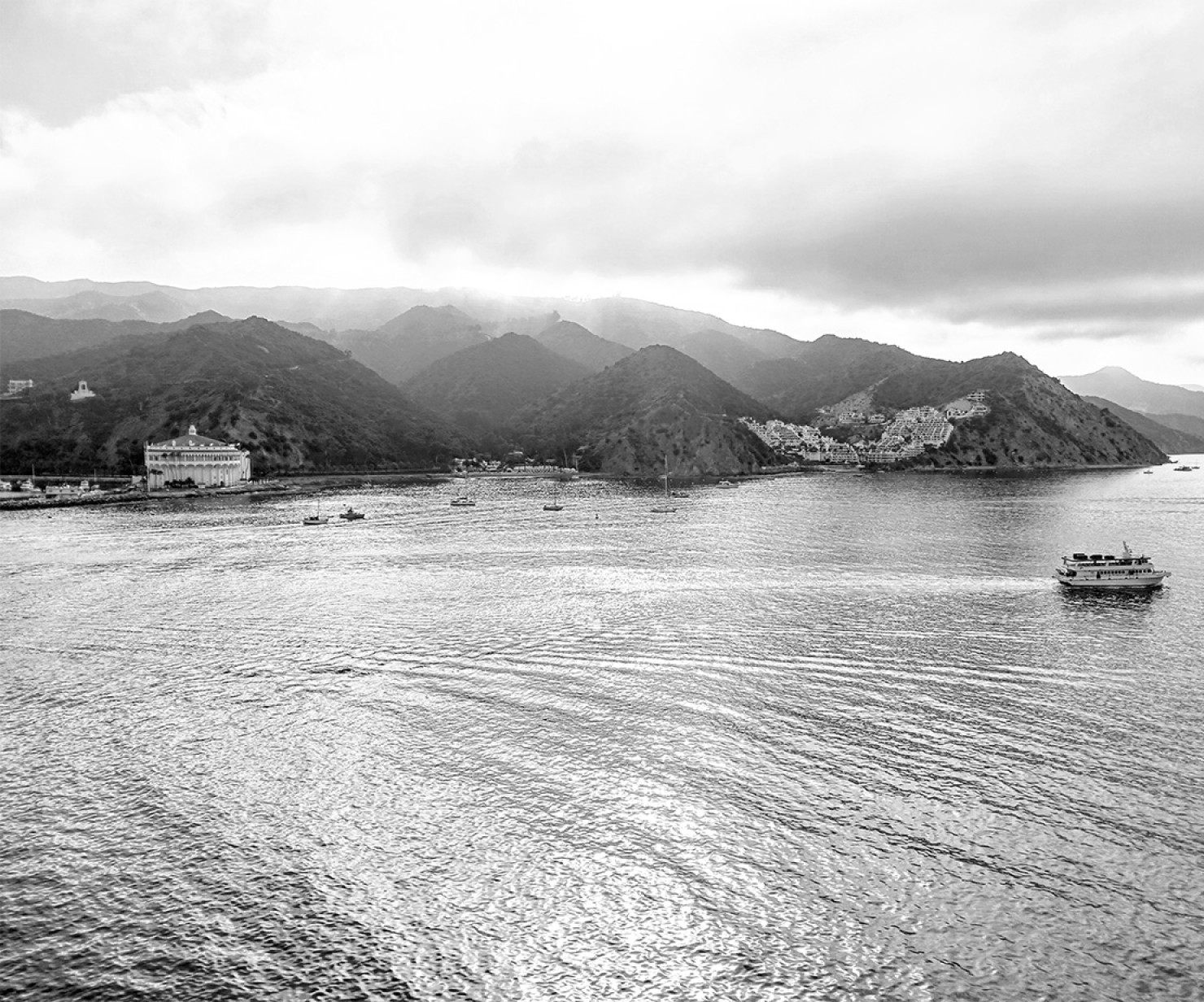
In 1928, the original Sugarloaf dancing pavilion was moved to Bird Park, where it remains today. The current-day Casino was then rebuilt in 1929 to accommodate more people. The Casino has hosted it all—motion picture premieres, big bands, live radio broadcasts, celebrities, USO shows, and more.
1930s – CRESCENT AVENUE, HOLLYWOOD, & THE BISON
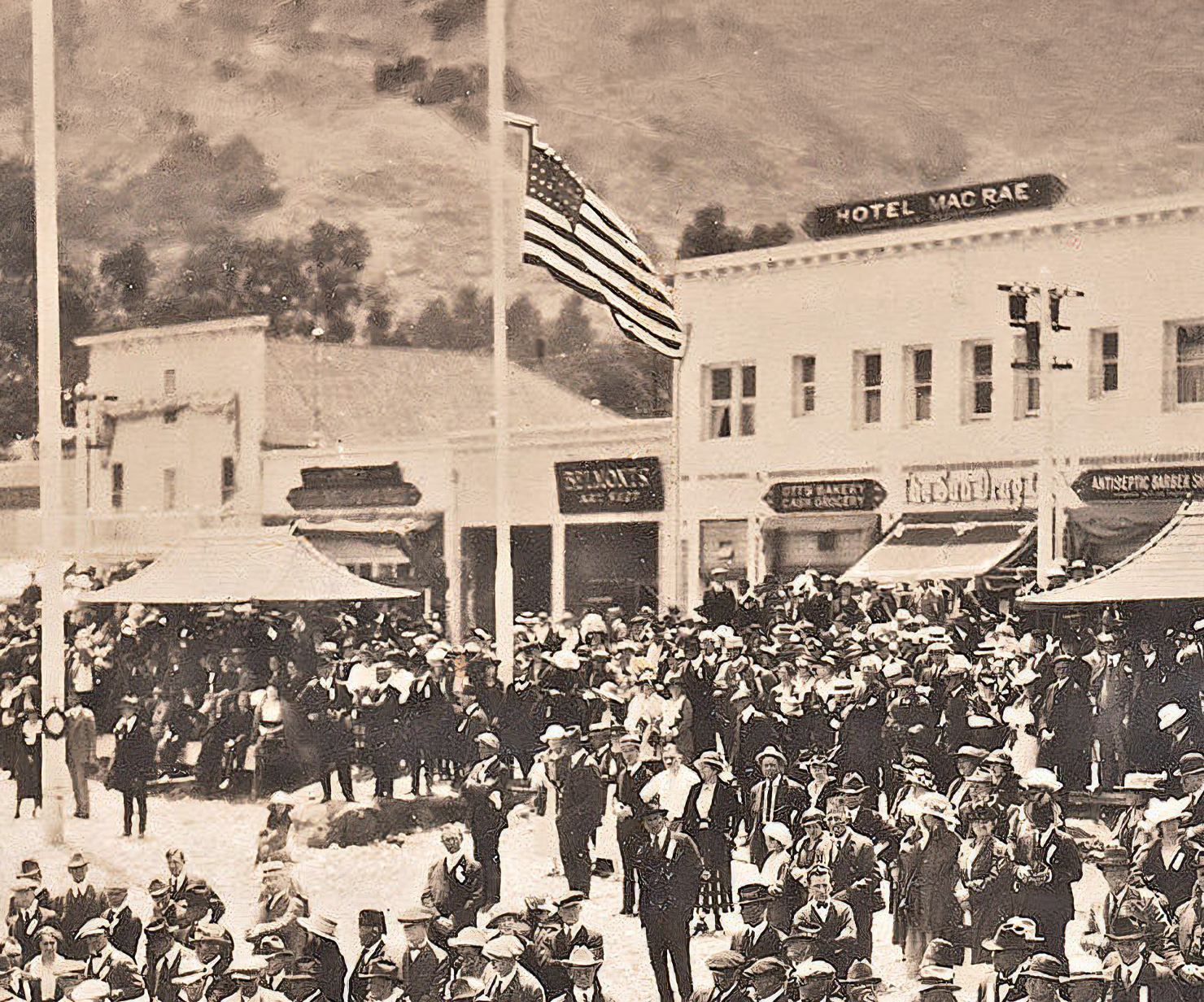
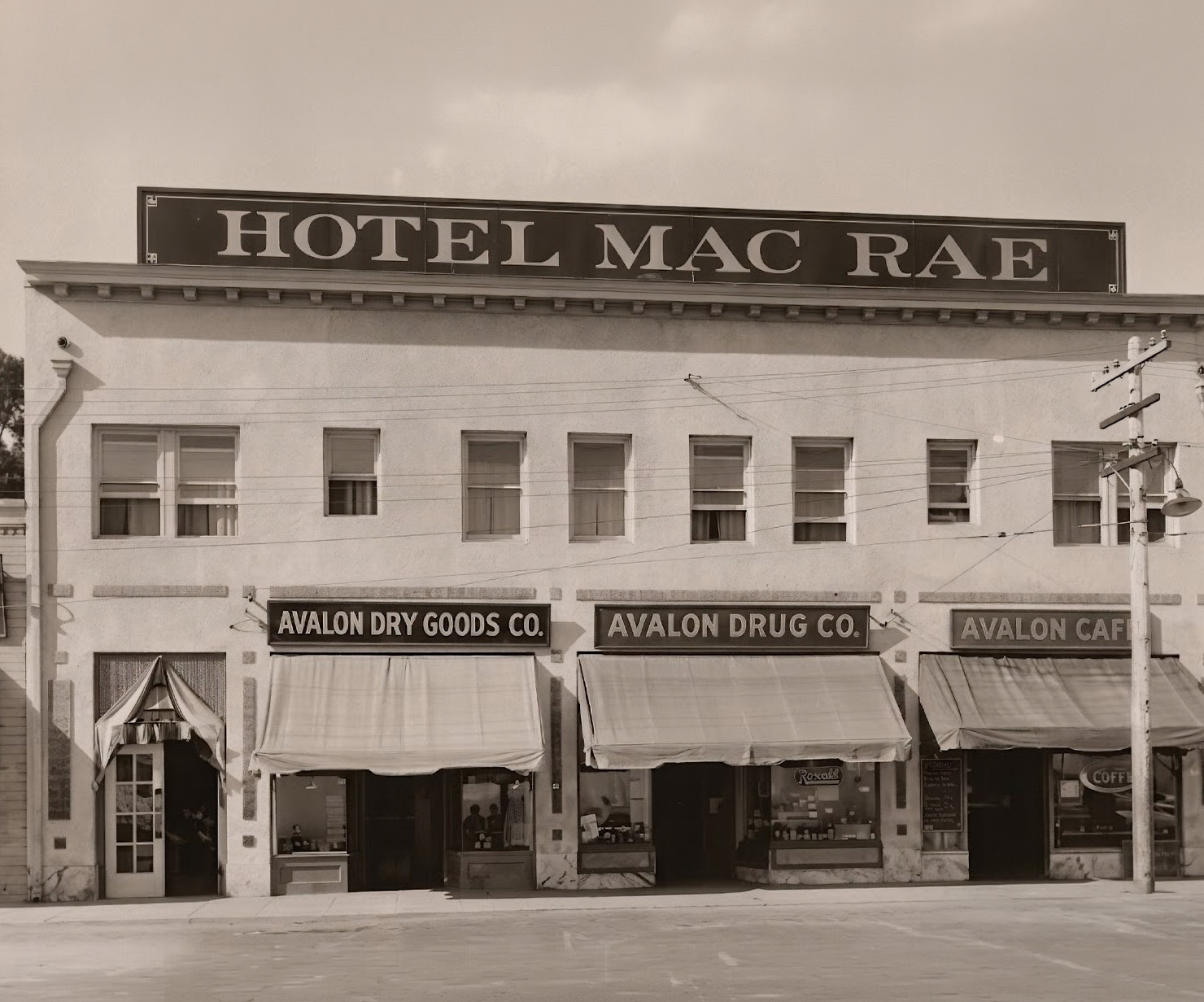
Crescent Avenue circa the late 1920s to early 1930s. Note the larger Hotel Mac Rae sign on top of the building, the decorative metal awning over the entrance, and the flags across the avenue. The H.D. Mac Rae Curios Shop is still on the corner. Catalina Island was quickly adopted by early Hollywood filmmakers and stars and served as a backdrop for more than 200 motion pictures.
Read More
The Mac Rae family remembers excellent corn clam chowder from John’s Café on the far left of this photo. At the far end of the street is a sign above a building that reads “Saddle Horses.” The bison that roam the island’s interior today were left behind after one of the many movies filmed here. A frontal view of the hotel in the late 1930s shows telephone poles and wires lining Crescent Avenue.
1942 – WWII
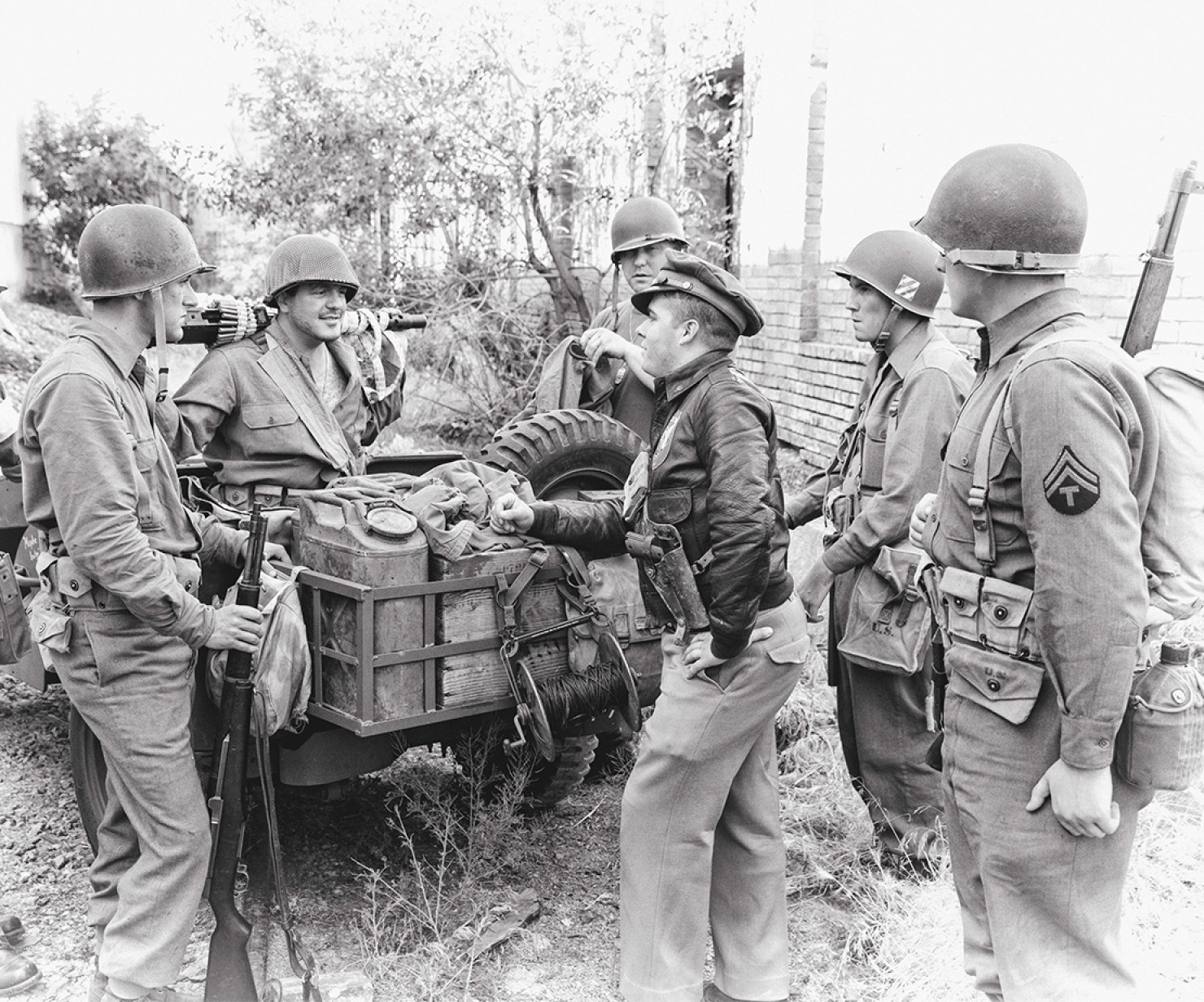
All tourism stopped on December 23, 1941. The war took over Catalina from 1941 to 1945. Like many islanders, Peggy took her family to the mainland. This infantry troop is marching down Crescent Avenue on Memorial Day, 1942. Hotel Mac Rae was just to the right of this shot.
1945 – HOSPITALITY
While other hotels charged servicemen 50–75 cents to shower, Peggy instructed her staff to let them shower for free if they signed her book. She collected 1,785 signatures.
1950
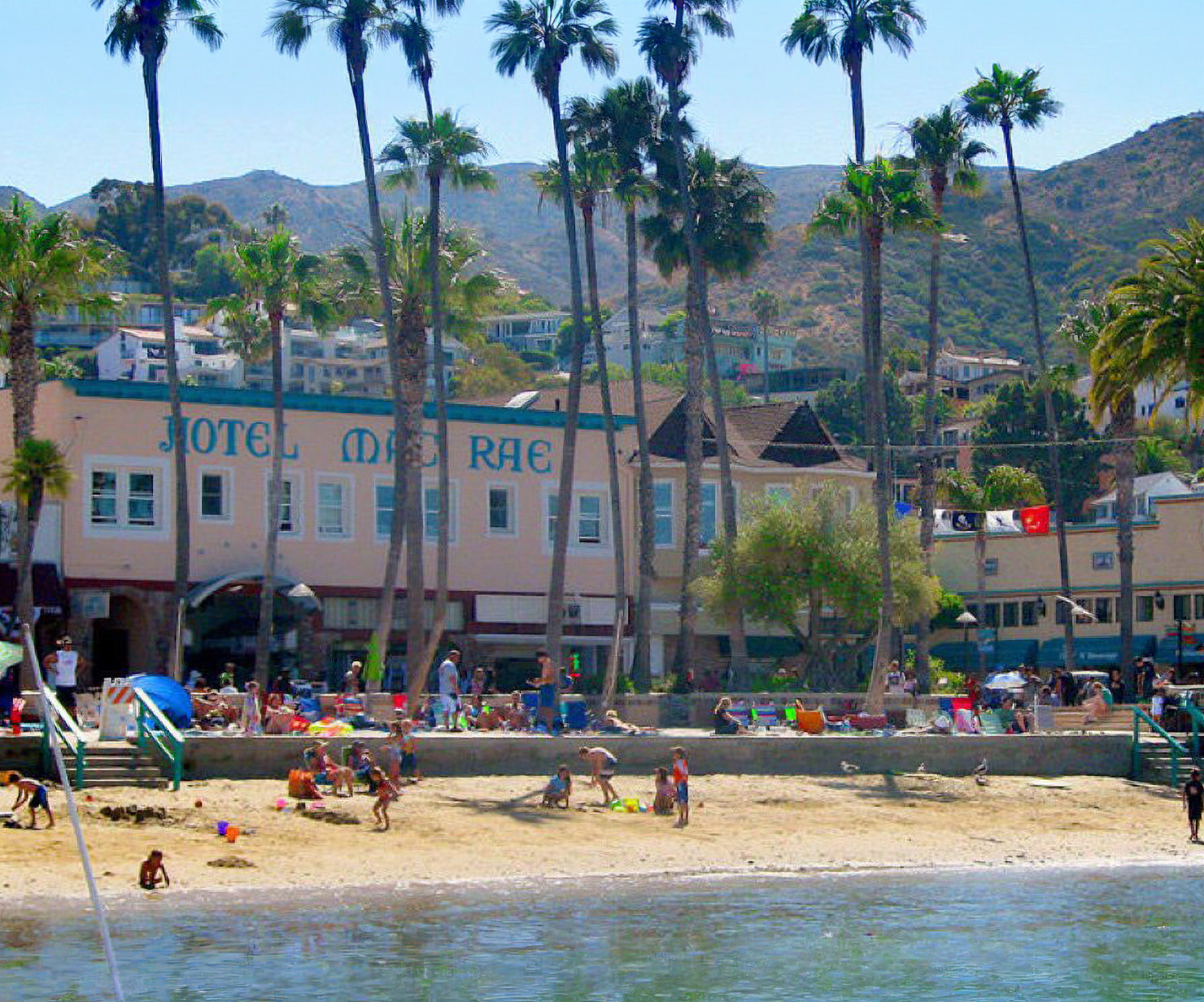
The hotel name is now painted on the top of the building, as it is today. New businesses are leasing the shops below the hotel. The wires on Crescent Street are now underground, and palm trees and the serpentine sitting wall are present.
2026
More than a century after those first guests arrived on Crescent Avenue, Hotel Mac Rae continues its story with the same spirit it was built on—warm hospitality, a one-of-a-kind location, and an easygoing welcome to Avalon. As we look ahead, we’re honoring the past while making thoughtful updates that keep the experience comfortable, simple, and unmistakably Catalina.